
QWERTY Keyboard Day
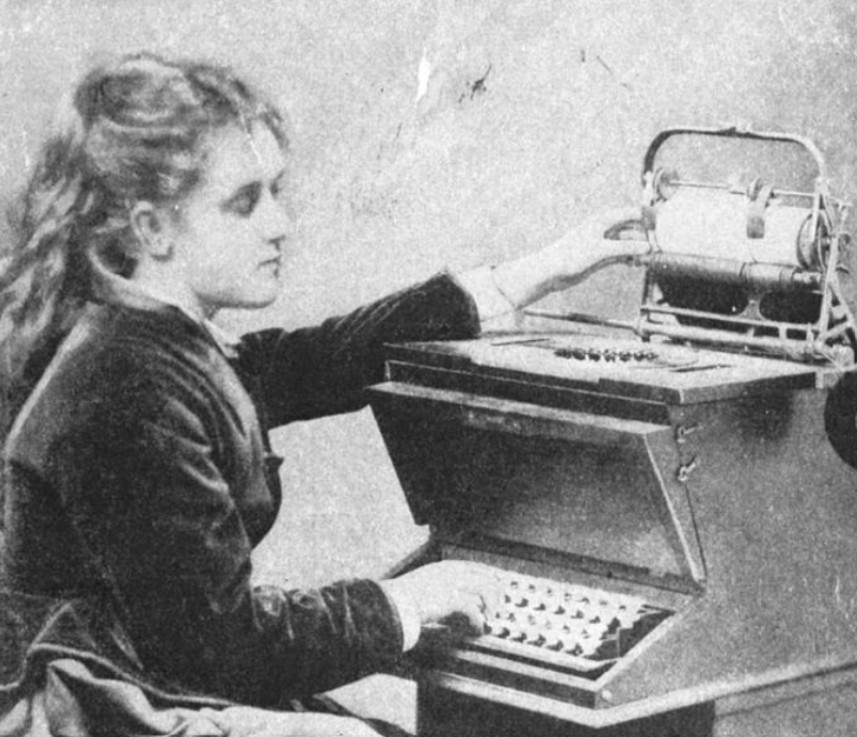
It’s on your computer keyboard and your smartphone screen: QWERTY, the first six letters of the top row of the standard keyboard layout. The lightbulb might be one of those things we can directly attribute to the genius of a single man, Thomas Alva Edison. The thing we use nearly as much is a mystery, and it has been frustrating historians for over a century. Will we ever figure it out?
Or who cares?
It is so central to how we work and speak across miles of continental drift. But this note this morning is one about how most of us have shaped our lives and the dance of our fingertips. There was a highlight in the morning traffic that Miles had highlighted on the screen of his iPad and left face up in the middle of the Conference Room. The letters dimmed over time along with the charge in the battery.
The words were controversial, since on this day, in 1868, the Civil War had only been over for three years, and the shadow of the assassinated President still lingered long over his grave. He had only been there for three years, and the reflecting pool in front of his monument would not be dug for another fifty years, even if some among us have been attempting this weekend to dig it up again.
After the big American conflict had been settled by force of arms, it was clear a new means of communication would be required for the world ushered in by the Industrial Revolution and the mass manufacture of all sorts of things, including mortuary science practiced on mostly young men. We live with the consequences of our technologies, as we are being absorbed by our hand-held devices, and the keyboards themselves have no keys nor boards.
The kids in the Conference Room have developed a generational means of communication. Some of the Boomers still use Internet protocol keyboard communications. It is as natural to them as slipping the phone in a pocket and participating in a text conference while driving. These are the guys responsible:
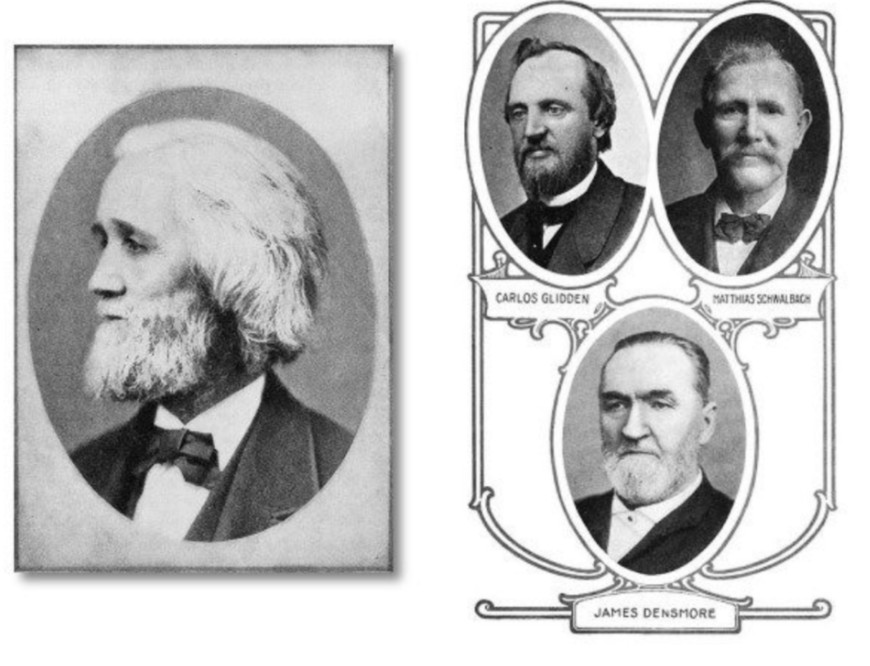
QWERTY is used for keyboard layouts for Latin-script alphabets; the name comes from the order of the first six keys on the top letter row of the keyboard: QWERTY. The design evolved for the quick typing of English on typewriters and is based on a layout included on the Sholes and Glidden typewriter sold by E. Remington and Sons from 1874, though the invention date for the No. 1 design is also attributed to this day in 1868. The layout became popular with the success of the Remington No. 2 of 1878 and remains in widespread use as the de facto standard on computers as of 2026.
The typewriter’s influence extended beyond its era, paving the way for modern word processors and computers. But like everything else, the present is just a path to somewhere else, and by the end of the current generational change, we will evolve to a natural-based communication between individuals that can run effortlessly on Artificial Technology to access all recorded events in human history.
Today, the QWERTY layout remains ubiquitous, found on typewriters, smartphones, and various devices, thanks to its early adoption and the success of the Remington brand. So, we just wanted to point out that what we have now is the passage of another doorway.
Where we are going is going to be the whole top line: QWERTYUIOP.
It lives on in billions of devices, both analog and digital, around the world, including this one and the one you are viewing. At the time of the introductory image, a young woman was seated at one of the first modern typewriters. She is dressed as one of the first white-collar—but blue-dressed—ladies who made them work with minimal heavy lifting.
And so our world was born, on the way to something else!
Copyright 2026 Vic Socotra
www.vicsocotra.com
