
Traffic Accidents, Resignations, & Mood of the Year
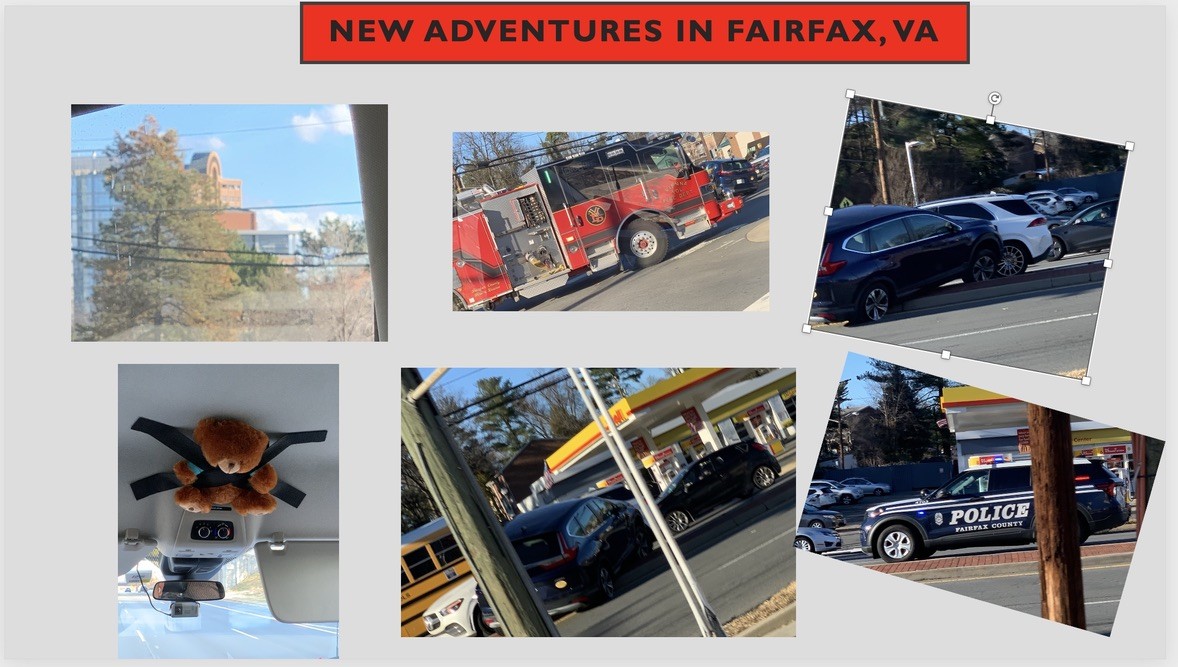
(A distant view of the world famous Shopping Bag high-rise, the “Good Luck Bear” taped to the overhead of the group mobility van, the wreck, the Fire Fighters and the Fairfax Police responded and alert drivers found a cut through off the big road and we got around it. Without use of horn. Things in motion!)
One of the larger stories unfolding beneath the daily noise is a quiet wave of retirements and resignations ahead of what promises to be a bitter run-up to the midterms. Some of it is Congress. Some of it is senior civil service. Some of it is people who have been around long enough to read the calendar and decide they do not want to spend the next year explaining themselves under fluorescent lights.
Locally, the connective tissue showed up as a traffic accident — the kind that briefly knots the county and then dissolves — followed almost immediately by the resignation of the Chief of the DC police. Socotra House does not suggest there is a connection. We don’t know that there is one, and neither does anyone else outside a very small circle.
What is visible is timing and tone. The Chief’s departure came with a farewell that read less like a thank-you and more like a public enough already — a message that effectively told critics and overseers to get lost. That alone says something about the institutional temperature.
There have been whistle blower accusations — not adjudicated facts, but serious claims — that crime statistics were being minimized through downgrading and reclassification, keeping certain incidents below reportable thresholds. When that happens, it is rarely dramatic. It is bureaucratic. It lives in definitions, forms, and incentives. The public story, meanwhile, stays focused on arrests and individual perpetrators.
Again: accident? coincidence? correlation? We don’t know.
What does seem clear is strain — strain in systems that have promoted people quickly, sometimes skipping rungs that once mattered. That observation is not about ideology or identity; it is about process. Accelerated promotion can work, but only when experience, mentorship, and accountability keep pace. When they don’t, institutions don’t collapse. They drift.
Many of us thought the “merit matter” was settled decades ago — that professionalism would outlast politics and that data would speak plainly without being coached. This moment suggests something quieter and more human: people leaving not because they have been proven wrong, but because they know what kind of year is coming — and they don’t intend to stand at the lectern while it breaks over them on camera.
It was also oddly refreshing to be back among people in motion — watching I-66 west clog again, not as a crisis but as a sign of ordinary life pressing forward. For a while, the unusual was stillness. Now movement itself feels novel again.
A shipmate in Wyoming wrote in time for the morning meeting. He gave us start, saying winds gusting to 144 miles per hour had knocked over a freight train. By comparison, Fairfax traffic feels less like dysfunction and more like normal life asserting itself.
The institutions may be tired, but the traffic tells you life is still moving.
Copyright 2025 Vic Socotra
www.vicsocotra.com
