
Long Shadows, Chapter One
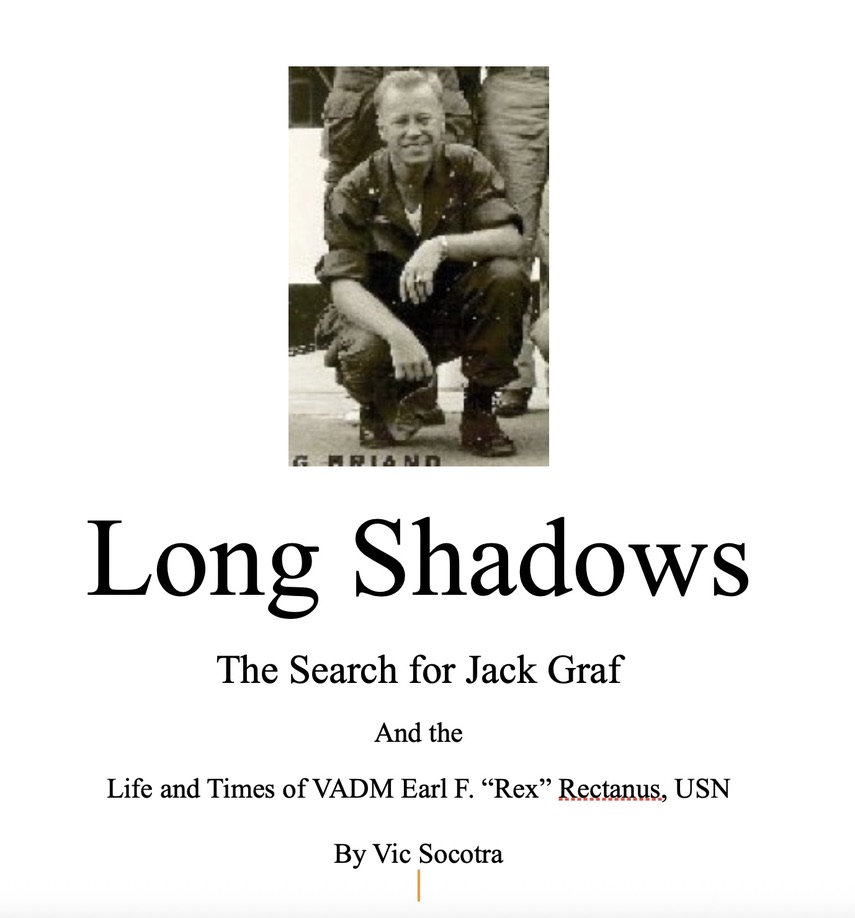
Dear Readers, this is a sort of exciting event. A project I had been working on in 2009-2010 with Rex was put aside after his death, followed by that of his lovely companion Jinny Martin, I scrambled to try to make sense of it. Then my folks passed away within four hours of one another without possibility of notification. It seared something spiritual into the departures of all of them. This is part of an experiment to harness the AI technology resident in ChatGPT and Google Gemini to see what I can bring back from some powerful times. Here is Chapter One:
The Admiral and the Missing Man
CHAPTER ONE — GENERAL QUARTERS
Inline image
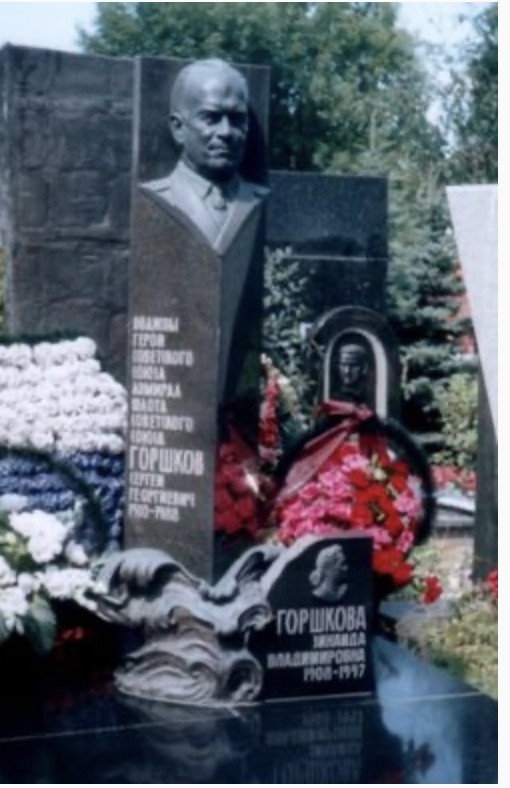
The morning came on cold and gray, the kind of Washington winter light that makes the walls of the Pentagon look more like the flanks of a great concrete glacier than the nerve center of a global navy. I was already a little cranky, thinking about pictures I once took in Moscow—a decade-old spring day at Novodevichy Cemetery, when I’d stumbled across the tomb of Fleet Admiral Sergei Gorshkov, the man who defined the Soviet Navy for two generations of American intelligence officers.
I remember the pictures clearly: a young American naval officer, newly selected for Captain, standing before the marble embodiment of the great adversary, raising a small toast in a moment of quiet triumph. The photos have vanished now, just like the old Soviet Union, and it feels like a trick of time that I can describe them in such detail but cannot find them anywhere.
Gorshkov’s polished image lingered in memory because he looked every bit the architect of a global navy. Many American officers—Rex among them—admired him even as they tracked every hull he launched. Zumwalt himself once called him “the most effective naval leader of modern times,” which is something coming from the greatest Young Turk the U.S. Navy ever produced.
For Rex, and for the entire fraternity of naval intelligence officers who matured in the early Cold War, Gorshkov was the embodiment of the threat—a man whose ships, submarines, and doctrine shaped every deployment and every briefing book. Rex had collected against him from Moscow to the Mediterranean, watching the Soviet Navy swell into a force capable of challenging American control of the seas.
And nothing demonstrated that challenge more dramatically than OKEAN-70.
It erupted like a global thunderclap. On the 100th anniversary of Lenin’s birth, the Soviets unleashed a worldwide naval exercise that sent submarines surging from Arctic bastions, surface groups slashing through northern seas, and TU-95 Bears performing simulated attacks on American carrier groups before pressing on to Cuba. Amphibious forces landed in arctic fjords. Merchant ships moved under sealed orders to precise ocean coordinates designed to cut Western acoustic cables. Everything that floated under a red star was suddenly in motion.
The world held its breath.
In Washington and Norfolk and Pearl Harbor, intelligence units strained to make sense of the explosion of contacts. SOSUS arrays buzzed with noise. Satellites showed empty piers along the icy fingers of the Kola inlet. British and Norwegian patrol planes beat the air into a frenzy trying to keep up. It was breathtaking, alarming, unprecedented.
General Quarters—General Quarters!
The message was clear to the West: a new Soviet Navy had arrived, and it was built for global reach. But to the Kremlin, OKEAN was a justification for the vast treasure poured into their fleets, an internal advertisement that the sacrifice, the austerity, and the grim Soviet predictability had purchased something real.
And yet, like all great displays of military power, it exacted a hidden price. Through émigré debriefings, and later more sensitive sources, it became known that a nuclear submarine—their proud November-class—had been lost during the exercise. Fire. Failure. A desperate attempt to tow her in worsening seas. As many as eighty-eight souls gone. Another silent tragedy in the deep.
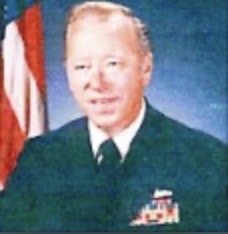
Meanwhile, back in Washington, Rex Rectanus was about to take command of naval intelligence as the United States was being drawn deeper into the spreading war in Southeast Asia. The Nixon administration had grown tired of North Vietnamese duplicity at the Paris talks and was preparing to hammer the Ho Chi Minh Trail where it cut through Cambodia and Laos. Rex had already earned distinction building human networks in Cambodia, and now larger forces were converging: the war in Indochina, the Soviet naval challenge, and operations so sensitive they would be whispered about only decades later.
But before any of that, there was the old truth of intelligence work: nothing is ever done before something new and urgent arrives on the desk. And in 1970, there was no shortage of urgency.
Rex had been selected for Admiral that year—a new name, a new life, and the start of a burden he would carry with quiet dignity. He was stepping into the storm just as OKEAN exploded across the oceans and the United States widened its war. And somewhere out there in Vietnam, deep in the labyrinth of river channels and mangrove shadow, one of his own—John “Jack” Graf—was about to vanish into the fog of war and remain missing forever.
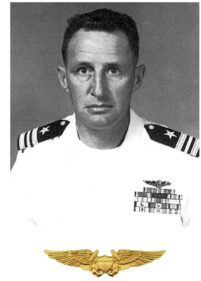
This is where the shadows begin for me, talking to the men and women who cast them. Join us. The story here is theirs and ours.
Copyright 2025 Vic Socotra
www.vicsocotra.com
